


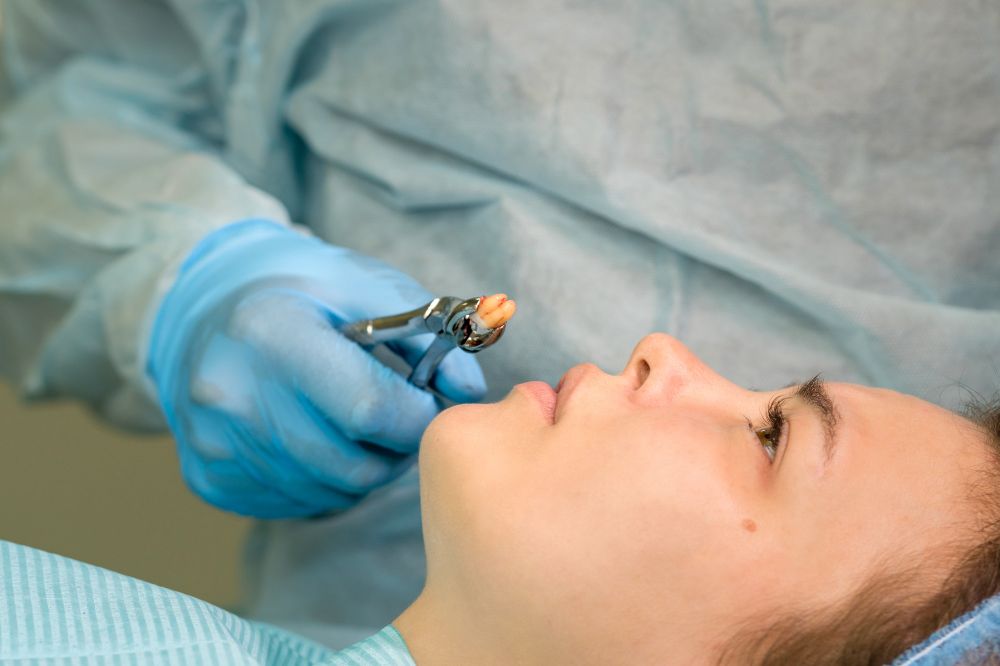
Wisdom teeth removal requires careful aftercare to protect the extraction sites, manage discomfort, and support healing. A blood clot forms in each socket and protects the underlying tissue. A dentist in Grande Prairie can explain the precautions for your procedure and which symptoms require attention. If you are preparing for wisdom teeth extractions in Grande Prairie, understanding your aftercare instructions before the procedure can help you feel more prepared for recovery.
Preparing for Recovery
If you’ve recently gone through wisdom teeth extractions near you, follow your written instructions closely. Recovery depends on how many teeth were removed, whether they were impacted, and the complexity of the procedure. Avoid disturbing the blood clot, clean your mouth as directed, and contact a dental professional if symptoms worsen.
The First 24 Hours: Protect the Blood Clot
If gauze was provided, apply steady pressure as instructed. A little blood-tinged saliva can occur, but persistent heavy bleeding needs prompt advice.
To protect the socket:
- Use Cold Compresses: Apply an external cold pack in short intervals if advised.
- Choose Soft Foods: Try yogurt, mashed vegetables, scrambled eggs, or cooled soup.
- Avoid Suction: Do not use straws, spit forcefully, or rinse vigorously.
- Avoid Smoking and Vaping: These can interfere with healing.
- Keep Your Head Elevated: Rest with your head slightly raised if comfortable.
Avoid hot food and drinks while your mouth is numb, since you could burn yourself. Take medication only as directed, and do not change a prescribed dose without professional advice.
Days 2–3: Manage Swelling and Discomfort
Swelling and jaw stiffness can become more noticeable during the first two or three days. Mild bruising or difficulty opening your mouth may also occur, especially after surgical removal. Drink water regularly and continue with soft foods. Avoid hard, crunchy, sharp, or chewy foods that may irritate extraction sites or become lodged in sockets. Follow instructions about exercise and alcohol, especially if you take medication that may interact with it.
Clean Your Mouth Gently
Your dental team may recommend gentle warm salt-water rinses starting 24 hours after surgery. Let the solution move around your mouth without forceful swishing or spitting. Brush other teeth carefully, avoiding direct trauma to the extraction sites until you are told it is safe. If food becomes trapped, do not probe the socket with a fingernail, toothpick, or other object. Use an irrigation syringe or another cleaning method only if recommended for your procedure.
When to Contact a Dental Professional
Seek medical advice from a dental clinic near you if you experience severe or worsening pain, persistent bleeding, fever, pus, or swelling that continues to increase. These symptoms may indicate a complication and should be assessed. Dry socket can occur when the blood clot is lost or breaks down, exposing the underlying bone and causing significant pain. Difficulty breathing or swallowing, or rapidly spreading facial or neck swelling, requires emergency medical care.
What to Expect During Recovery
Healing varies with tooth position, surgical complexity, general health, and the number of teeth removed. Many people notice improvement within several days, but gum healing takes longer, and deeper bone healing continues beyond the initial recovery period. Recovery instructions should reflect the treatment performed. Consult a dental professional if symptoms worsen rather than settle.
Support Your Recovery With the Right Care
Rest, gentle cleaning, appropriate food choices, and attention to symptoms can support healing. If you have questions about recovery or notice symptoms that concern you, book a consultation with Bear Creek Dental to discuss your aftercare and next steps.
FAQs
How long does wisdom teeth extraction take?
Procedure time depends on the number and position of the teeth, whether they are impacted, and the type of anaesthesia or sedation used. Your dental professional can estimate the time based on your treatment plan.
How long does it take to recover from wisdom teeth removal?
Many people begin to feel better within several days, though soreness and swelling can last longer. Recovery depends on the procedure and individual factors. Follow your instructions and resume normal activities gradually.
When Can I Eat Solid Foods Again?
Return to firmer foods gradually when chewing feels comfortable and your instructions allow it. Start with soft foods and avoid hard, crunchy, sharp, or sticky options that could irritate the sockets or become trapped.
How Can I Reduce the Risk of Dry Socket?
Avoid straws, smoking or vaping, vigorous rinsing, and forceful spitting during early healing. Follow instructions for cleaning and physical activity. Contact a dental professional if severe pain develops or worsens.