


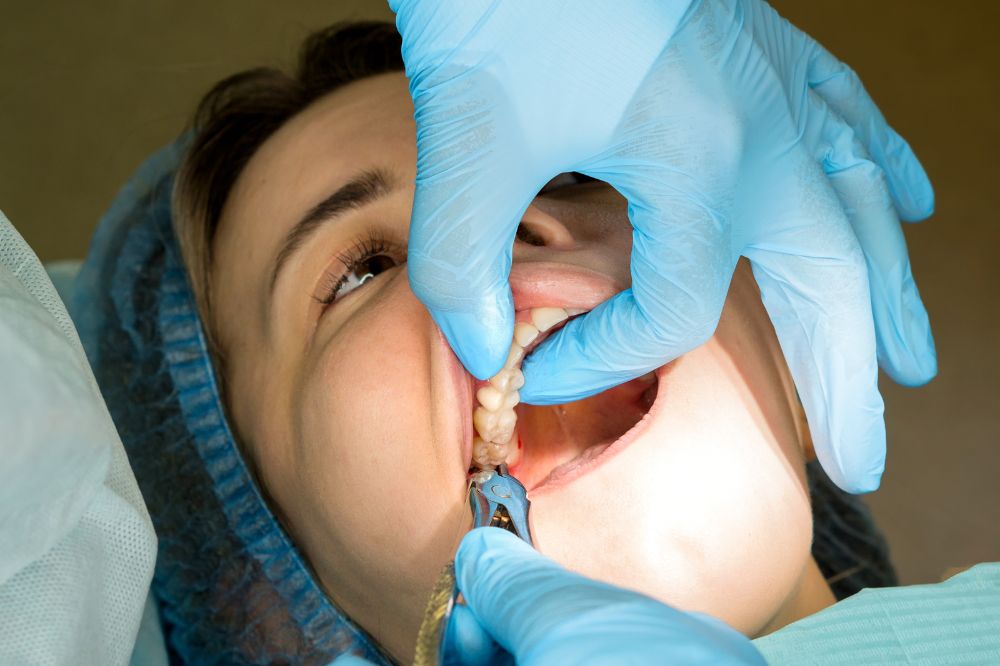
Are you preparing for a tooth removal and wondering what the treatment and recovery process may be like? Tooth extraction in Grande Prairie, AB may be recommended when a tooth is severely damaged, badly decayed, infected, or cannot be safely restored with another treatment. Learning about the tooth extraction procedure step by step can help make the experience feel more familiar and prepare you for what may happen before, during, and after the appointment. The treatment is planned according to the condition and position of the tooth, the surrounding tissues, and overall oral health. Knowing what to expect can also help you follow aftercare instructions and support proper healing at home.
Why Might a Tooth Need to Be Removed?
A tooth may need to be removed when keeping it is no longer a suitable option. A tooth extraction near you may be considered for several reasons, including:
- Severe tooth decay
- A badly cracked or damaged tooth
- Advanced gum disease affecting tooth support
- An infection that cannot be treated successfully
- Crowded teeth that require removal as part of treatment
- Certain wisdom teeth that cause repeated problems
A dental assessment is needed to determine whether extraction is necessary or if the tooth can be saved.
What Happens During a Tooth Extraction?
The tooth extraction procedure, a step-by-step process, usually begins with an examination and treatment planning. X-rays may be taken to understand the tooth’s position and surrounding structures.
The process may include:
- Examination: The tooth and surrounding area are checked.
- Numbing: Local anesthesia is used to numb the treatment area.
- Tooth Removal: The tooth is carefully loosened and removed.
- Site Check: The area is examined to make sure the tooth has been fully removed.
- Aftercare Instructions: Guidance is provided to support healing at home.
The exact steps can vary depending on whether the tooth is easy to access or requires a more complex removal.
How Long Does Tooth Extraction Take?
Wondering how long a tooth extraction takes? A simple extraction may take only a short time once the area is numb. A more complex extraction may require additional time because of the tooth’s position, shape, or condition.
The appointment may also include time for:
- Reviewing medical and dental history
- Taking X-rays when needed
- Preparing and numbing the area
- Completing the extraction
- Explaining aftercare instructions
The total appointment length depends on the individual case.
What Should You Expect After Tooth Extraction?
Mild pain, swelling, or soreness is common after a tooth extraction and usually improves as you heal.
Aftercare may include:
- Following your dentist’s instructions
- Taking medicine as directed
- Eating soft foods for a few days
- Avoiding smoking or vaping
- Keeping your mouth clean
- Avoiding heavy exercise if advised
Avoid disturbing the extraction site, as this can interfere with normal healing.
How Can You Support a Smooth Recovery?
Healing time can be different for each person and depends on the type of extraction and your overall health. Your dentist can give you care instructions based on your tooth and recovery.
Helpful steps may include:
- Getting enough rest
- Using a cold compress if advised
- Drinking plenty of fluids
- Eating soft, easy-to-chew foods
- Brushing carefully near the extraction area
- Going to any follow-up visits
If you have severe pain, more swelling, or unusual bleeding, contact your dentist at a dental clinic near you for advice.
When Should You Contact a Dental Professional?
Some pain or discomfort after a tooth extraction is normal. However, some symptoms may need quick dental care.
Contact your dentist if you have:
- Severe or increasing pain
- Heavy or ongoing bleeding
- Swelling that keeps getting worse
- Fever or signs of infection
- Trouble breathing or swallowing
- A bad taste or smell that does not go away
Getting checked early can help find any problems and make sure you get the right care.
Make an Informed Decision About Tooth Removal!
When a tooth is badly damaged, infected, or cannot be restored, removal may be considered to protect overall oral health. Knowing what the treatment involves and how to care for the extraction site afterward can help set realistic expectations and support the healing process. A dental assessment can also help determine whether extraction is the right option or if another treatment may be suitable. Book an appointment with Bear Creek Dental to discuss your dental concerns, explore appropriate treatment options, and understand how to prepare for the procedure and recovery.
FAQs
1. Can I go home after a tooth extraction?
Many extractions are completed as outpatient treatments, allowing the patient to return home afterward. Specific instructions depend on the type of extraction and any sedation used.
2. How soon can I eat after extraction?
Food timing depends on the treatment and instructions provided. Soft foods are often recommended once it is safe to eat, while very hot or hard foods may need to be avoided during early healing.
3. How long does recovery take?
Initial healing often takes several days, while deeper healing can take longer. Recovery varies based on the type of extraction and individual healing.
4. What happens if a tooth is not removed when necessary?
A severely damaged or infected tooth may continue to cause pain or affect nearby tissues if left untreated. A dental assessment can help determine the safest treatment option.