


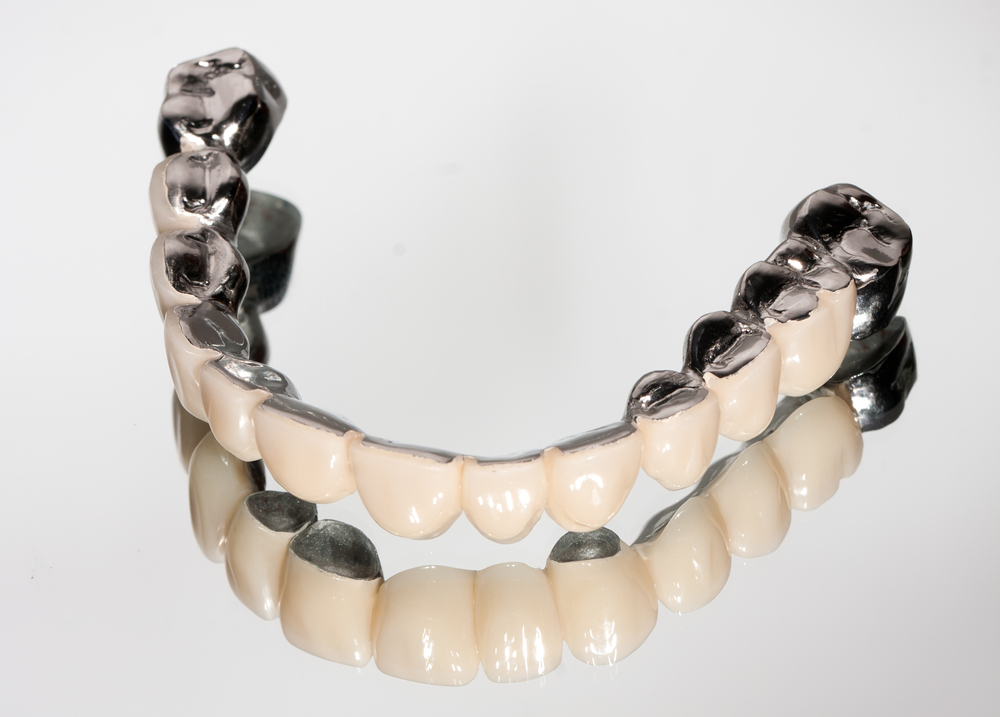
How Does a Dental Bridge Replace Missing Teeth? Missing teeth can affect your smile, bite, and confidence. A common solution is a dental bridge, and many patients in the area look for dental bridges in Grande Prairie for a reliable, long-lasting fix. Dental bridges restore the look of your teeth, help maintain proper function, and prevent the remaining teeth from shifting. Learning how dental bridges work can help you make the best choice for your dental care.
What is a Dental Bridge?
A dental bridge is a fixed dental restoration used to replace one or more missing teeth. It “bridges” the gap between two healthy teeth or dental implants. The bridge is made up of crowns on either side of the gap, called abutment teeth, and a false tooth (or teeth) in the middle, known as a pontic.
Key features of a dental bridge:
- Replaces one or multiple missing teeth
- Restores chewing and speaking ability.
- Maintains the shape of your face
- Prevents surrounding teeth from shifting
Dental bridges are a common treatment recommended by a dentist in Grande Prairie for patients looking for a durable and natural-looking solution.
How Does a Dental Bridge Work?
Understanding how a dental bridge works is easier when you know the steps involved in the process:
- Consultation and Examination: Your dentist will examine your teeth and gums, take X-rays, and discuss the best type of bridge for your needs.
- Preparation of Abutment Teeth: The teeth adjacent to the missing tooth are shaped to hold the crowns that will support the bridge.
- Impressions and Custom Bridge Fabrication: A mould of your teeth is taken to create a custom bridge that fits perfectly in your mouth.
- Placement of the Bridge: The bridge is permanently cemented onto the abutment teeth, filling the gap and restoring function and appearance.
This process ensures the bridge is comfortable, stable, and functional. With proper care, dental bridges can last many years.
Types of Dental Bridges
- Traditional Bridges: Held by natural teeth on both sides of the gap. This is the most common type.
- Cantilever Bridges: Supported by only one tooth, used when there’s a natural tooth on just one side.
- Maryland Bridges: Have a metal or porcelain frame that sticks to the back of nearby teeth, usually for front teeth.
- Implant-Supported Bridges: Attached to dental implants instead of natural teeth, great for replacing several missing teeth.
Your dentist in Grande Prairie will recommend the best type of bridge based on your dental health, the location of missing teeth, and personal preferences.
Benefits of Dental Bridges
Benefits of Dental Bridges:
- Makes chewing easier – Helps you eat comfortably.
- Improves speech – Supports proper pronunciation if teeth are missing.
- Keeps your face shape – Prevents a sunken look from tooth loss.
- Stops teeth from shifting – Keeps nearby teeth in place.
- Boosts smile and confidence – Gives a natural-looking, attractive smile.
How to Take Care of Your Dental Bridge
Proper care is essential to ensure your dental bridge lasts. Follow these tips:
- Brush twice a day and floss daily.
- Use a water flosser to clean under the pontic.
- Visit your dentist regularly for checkups and professional cleaning.
- Avoid chewing hard foods that may damage the bridge.
With good oral hygiene, most dental bridges can last 10–15 years or even longer.
Want to Restore and Protect Your Smile?
You don’t have to hold back your smile or miss out on other activities with missing teeth. At Bear Creek Dental, they pride themselves on providing their patients with superior, individualized care. A gentle but experienced team can help you restore your smile or assess your oral health. Please schedule your consult today and take the first step to a healthier, stronger, and more complete smile that you will enjoy confidently every day.
FAQs
How long does a dental bridge last?
With proper care, a dental bridge can last anywhere from 10 to 15 years, and sometimes even longer. Regular checkups help maintain its durability.
Is getting a dental bridge painful?
The procedure is generally comfortable. Local anesthesia is used during tooth preparation, and most patients experience only mild discomfort afterward.
Can a dental bridge replace multiple teeth?
Yes. Traditional and implant-supported bridges can replace multiple missing teeth, depending on your oral health and jaw structure.
Are dental bridges removable?
Most dental bridges are fixed and cannot be removed by the patient. However, there are temporary bridges and some implant-supported options that can be removed by your dentist if necessary.