


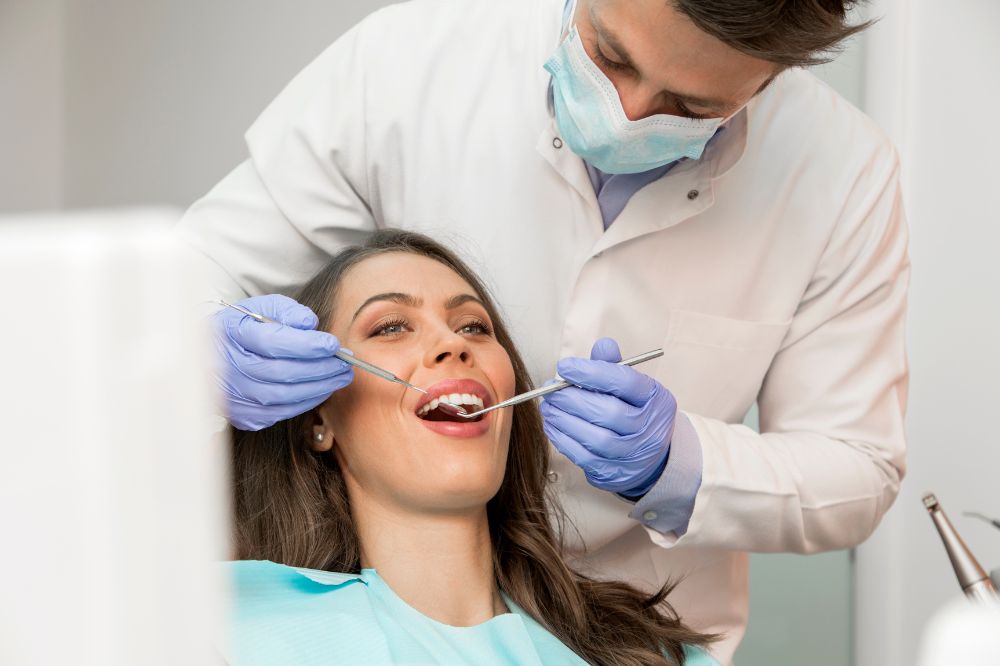
A bright, uniform smile can boost your self-confidence and leave a positive first impression. However, minor aesthetic flaws such as chips, noticeable gaps, or persistent surface discoloration can make you feel self-conscious about showing your teeth. If you are searching for a trusted dentist near you to revitalize your smile without invasive procedures, cosmetic dentistry offers accessible, highly effective solutions. Cosmetic dental bonding is one of the most versatile, budget-friendly treatments available today to correct subtle imperfections quickly and comfortably.
What Is Dental Bonding?
Dental bonding in Grande Prairie, AB, is a cosmetic operation that repairs or reshapes damaged teeth using a long-lasting, tooth-colored composite resin. Your dentist will carefully choose a resin shade that complements the surrounding enamel, apply it to the desired location, perfectly shape it, and use a special curing light to solidify it. Seeking dental bonding near you provides a conservative treatment choice, whether you need to restore a worn edge or close a tiny gap between your front teeth. Composite bonding preserves your original tooth structure while providing instant aesthetic results, unlike porcelain veneers or crowns, which require little to no enamel removal.
Cosmetic Problems Dental Bonding Can Correct
Composite bonding at a dental clinic near you is uniquely suited for addressing a variety of minor structural and aesthetic concerns in a single appointment:
- Closing Gaps: Small spaces between adjacent teeth can be filled seamlessly with composite resin.
- Reshaping Irregular Teeth: Uneven edges, short teeth, or pointed canine tips can be lengthened and contoured for a harmonious look.
- Covering Discoloration: Stubborn stains that resist chemical teeth whitening treatments can be covered over with resin.
- Repairing Enamel Damage: Minor surface fractures and erosion can be sealed to protect underlying tissues.
Common Questions About Dental Bonding
Can dental bonding fix a chipped front tooth?
Yes, dental bonding can fix a chipped front tooth. Absolute clarity on this point helps many patients restore their front teeth with confidence. Composite bonding is one of the most effective and popular solutions for repairing chipped front teeth. The resin is sculpted directly over the damaged area to recreate the tooth’s original contour and polished to mimic the natural sheen of your enamel.
How long does dental bonding usually last?
How long does dental bonding usually last? is a question that patients frequently ask. Composite bonding usually lasts three to ten years with regular maintenance and good dental hygiene. Avoiding behaviours like biting fingernails or chewing ice helps prolong the life of composite resin because it is not as hard as natural enamel or porcelain, despite its durability.
Simple Ways to Protect Your Bonded Teeth
Adopt these protective behaviours to make sure your attachment remains strong and seamless over time:
- Practice Thorough Hygiene: Gently floss around bonded edges and brush twice a day with a non-abrasive fluoride toothpaste.
- Limit Staining Agents: After drinking coffee, dark tea, or red wine, rinse your mouth with water since composite resin can stain over time.
- Steer clear of hard habits: Avoid chewing on hard items like pens or using your teeth as tools to open packages.
Enhance Your Smile with Expert Dental Care
Getting a bright, balanced smile does not have to mean long or complicated dental procedures. Dental bonding offers a quick, comfortable, and affordable way to fix minor chips, close small gaps, and hide stubborn stains in just one visit. Our skilled staff is available to assist you in creating a smile you adore if you’re interested. We provide customized cosmetic solutions based on your own aesthetic preferences. Book an appointment for your consultation by contacting Bear Creek Dental right now!
Frequently Asked Questions
1. Is the dental bonding procedure painful?
Dental bonding is virtually painless and rarely requires local anesthesia unless the resin is being applied to fill a decayed cavity or treat a chip near the nerve. Most patients complete the treatment comfortably without any numbing.
2. Can bonded composite resin be whitened with bleaching gels?
No. Composite resin materials do not respond to traditional peroxide whitening products. If you plan to whiten your natural teeth, it is best to do so before your bonding appointment so your dentist can match the resin to your newly brightened shade.
3. What is the difference between composite bonding and porcelain veneers?
Composite bonding is applied directly to the tooth in a single visit and requires little enamel removal. Porcelain veneers are custom-made shells created in a dental lab that require removing a thin layer of enamel and usually take two visits.
4. What should I do if my dental bonding chips or feels rough?
If your bonding chips or feels sharp against your tongue, schedule a quick visit with a dental clinic nearby. Your dentist can easily smooth out the rough spot or add a fresh layer of composite resin to repair it.