


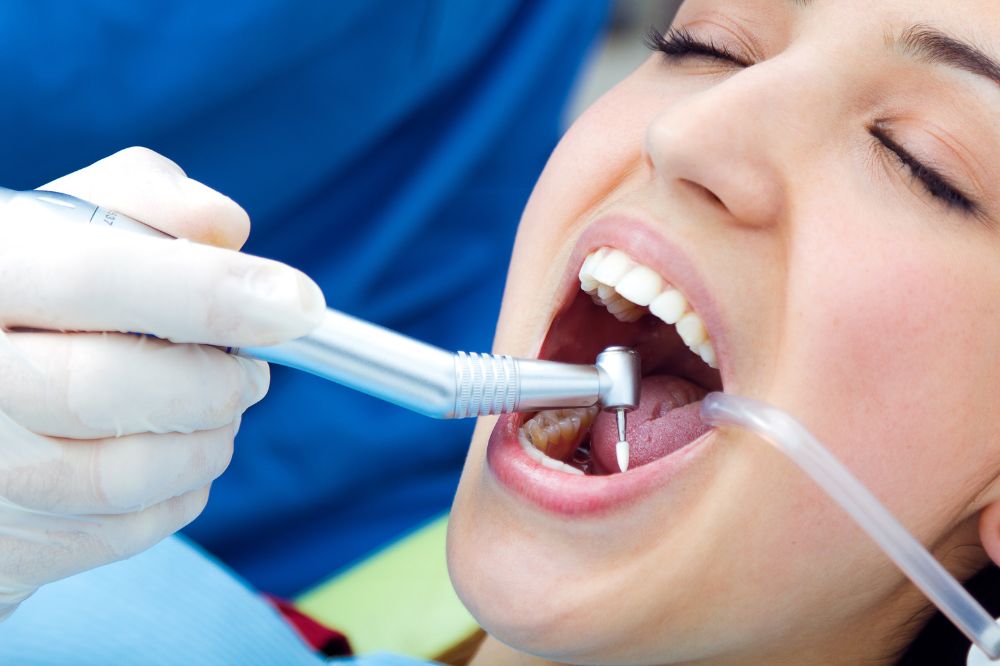
People usually have a tooth removed due to serious decay, advanced gum infection, or trauma that makes saving the tooth impossible. Although dentists will try to keep your teeth for as long as they can, sometimes extraction is the best way to stop the pain and keep you healthy.
Why Do People Need Their Teeth Removed?
The main goal of modern dentistry is to save your smile. However, there are many situations where keeping a tooth does more harm than good. If you are looking for a reliable dental clinic near you, you will find that professionals prioritize your comfort and long-term oral health when making these decisions. When a tooth becomes a source of infection or constant pain, it can affect your ability to eat, speak, and sleep. Tooth extractions in Grande Prairie help your body heal and prevent bacteria from spreading to your other healthy teeth or even into your bloodstream.
Leading Causes for Removing a Tooth
There are several physical and health-related factors that lead to this procedure. Doctors often look for specific signs before they decide that a tooth can no longer stay in the mouth.
| Reason | Description | Common Outcome |
| Severe Decay | Cavities that have reached the center of the tooth. | Extraction prevents deep infection. |
| Gum Disease | An infection that destroys the bone holding the tooth. | The tooth becomes loose and needs removal. |
|
Impacted Teeth
|
Teeth (like wisdom teeth) that can’t break through. | Removal prevents crowding and pain. |
| Overcrowding | Too many teeth for the size of the jaw. | Extractions create space for braces. |
| Trauma | Accidents that crack the tooth below the gum line. | Removal is necessary if the root is split. |
Understanding Severe Tooth Decay
When a cavity is left alone for too long, it grows deep into the tooth. Eventually, it reaches the pulp, which is the soft part inside where the nerves live. If an infection starts here, it can be very painful. Sometimes a root canal can fix it, but if the damage is too big, tooth extractions might be the only way to stop the ache. If the tooth structure is too weak to hold a filling or inlay, it will be a “non-restorable” tooth. Having a rotting tooth in your mouth can lead to abscesses, which are pus-filled pockets that are very painful and can be lethal conditions.
How Gum Disease Affects Your Teeth
Periodontal disease, or gum disease, is a major cause of tooth loss in adults. This is an infection of the tissues and bones that support your teeth. As the disease gets worse, it eats away at the bone. Without a strong foundation, the tooth begins to wiggle. In many cases, there is simply not enough bone left to keep the tooth stable. At this stage, your dentist will explain when to extract tooth because a loose tooth can make it very hard to chew and can lead to even more bone loss if it stays in place.
Dealing with Crowding and Extra Teeth
Sometimes, a mouth is just too small to fit every tooth comfortably. This is very common for teenagers who are getting ready for orthodontic treatment. If the teeth are overlapping or pushed together, the dentist might suggest removing one or two to make room for the others to move into a straight line. Wisdom teeth are the most frequent “extra” teeth that cause trouble. Since they are the last to come in, there is often no room left for them. They may grow sideways or stay stuck under the gums, which causes swelling and pressure against the back of the mouth.
Protecting Your Health from Infection
If you have a weak immune system, even a small infection in a tooth can be dangerous. People undergoing certain medical treatments, like chemotherapy or organ transplants, have a higher risk of getting sick from mouth bacteria. In these special cases, your doctor and dentist might decide that the reasons for tooth extraction outweigh the benefits of trying to save a risky tooth. Removing a potential source of infection helps keep the rest of the body safe while you recover from other health issues.
A Fresh Start for Your Smile
Getting a tooth extracted is not an easy decision to make; however, in many cases, it is the first step toward a healthier and more pleasant life. Dental procedures are designed to be as painless as possible so that recovery may take place quickly. After the extraction of the troublesome tooth, you could consider replacement options like bridges or implants that mimic natural teeth in appearance and feel. Our patients are our priority at Bear Creek Dental. At our team, you will find a comfortable environment that can put you at ease. We take our time to explain your care step by step and ensure you understand your options. If you are unsure about your mouth or are having any problem, we can assure you and help you get back to what you were used to being.
FAQs:
1. Does getting a tooth pulled hurt?
Dentists use local numbing medicine so you won’t feel pain during the actual process. You might feel some pressure, but the area will be completely numb. Afterward, you may have some mild soreness while you heal.
2. How long does it take to recover?
Most people return to their regular routine after some days. In most cases, the place where your tooth was healed enough for soft foods within 24 to 48 hours, although it takes a few months for the bone to fill back in completely.
3. What can I eat after the procedure?
It is wise to stick with softer foods such as yogurt, applesauce, mashed potatoes, or lukewarm soup. For the first week, avoid straws and crunchy foods, such as chips, to protect the area as it heals.
4. Do I always have to replace a missing tooth?
While you don’t always have to, replacing it is usually recommended. A gap can cause your other teeth to shift out of place, which might change your bite or make it harder to clean your teeth later on.